Food Trivia Questions for Teens: Fun Questions & Answers
Food trivia for teens should feel like a mix of everyday knowledge, world cuisines and real food science—not a list of brand slogans. These rounds cover familiar foods, global dishes, ingredients, kitchen techniques and a tougher science-based final round.
For more food and teen-friendly rounds, try our food trivia questions, trivia questions for teens and the Trivia hub.
How to Play
- Read the full question before anyone answers.
- Award 1 point for each correct answer.
- Mix sections for a longer quiz or use one category as a quick round.
- Use the final section as a tie-breaker if scores are close.
Everyday Food Basics
Q1. What fruit is the main ingredient in guacamole?
Answer: Avocado. Why: Traditional guacamole is made primarily from mashed avocado.
Q2. What grain is traditionally used to make risotto?
Answer: Rice. Why: Italian risotto is usually made with short- or medium-grain rice such as Arborio.
Q3. What legume is the main ingredient in traditional hummus?
Answer: Chickpeas. Why: Hummus is made from chickpeas blended with tahini, lemon and other ingredients.
Q4. What dairy product is made by fermenting milk with bacterial cultures?
Answer: Yogurt. Why: Bacterial cultures convert some milk sugar into lactic acid.
Q5. What gas makes bread dough rise when yeast ferments sugars?
Answer: Carbon dioxide. Why: Yeast fermentation releases carbon dioxide that forms bubbles in dough.
Q6. What is tofu made from?
Answer: Soybeans. Why: Tofu is made by coagulating soy milk and pressing the curds.
Q7. What spice comes from the dried inner bark of trees in the genus Cinnamomum?
Answer: Cinnamon. Why: Cinnamon is produced from dried bark.
Q8. What nut is traditionally used to make marzipan?
Answer: Almonds. Why: Marzipan is commonly made from ground almonds and sugar.
World Foods
Q9. Which country is strongly associated with sushi?
Answer: Japan. Why: Sushi developed as a major part of Japanese cuisine.
Q10. Which Mexican dish is made from a tortilla folded or rolled around a filling?
Answer: A taco. Why: Tacos use tortillas with a wide range of fillings.
Q11. Which Italian dish is made from layers of pasta, sauce and often cheese?
Answer: Lasagna. Why: Lasagna is built from stacked sheets of pasta and fillings.
Q12. Which Middle Eastern dip is made from chickpeas and tahini?
Answer: Hummus. Why: Hummus is widely eaten across the Middle East and beyond.
Q13. Which Indian flatbread is traditionally cooked in a tandoor?
Answer: Naan. Why: Naan is a leavened flatbread often baked against the wall of a tandoor oven.
Q14. Which Spanish rice dish is associated with Valencia?
Answer: Paella. Why: Paella originated in the Valencia region of Spain.
Q15. Which Korean fermented side dish is commonly made from cabbage or radish?
Answer: Kimchi. Why: Kimchi is made by fermenting seasoned vegetables.
Q16. Which French pastry is known for flaky laminated layers and a crescent shape?
Answer: A croissant. Why: Croissants are made from laminated dough with butter.
Food Science & Ingredients
Q17. What protein in wheat helps bread dough stretch and trap gas?
Answer: Gluten. Why: Gluten forms a network that gives dough elasticity.
Q18. What acid gives vinegar its characteristic sour taste?
Answer: Acetic acid. Why: Acetic acid is the main acid in vinegar.
Q19. What causes onions to make some people cry when cut?
Answer: Irritating sulfur compounds. Why: Cutting onions triggers chemical reactions that release eye-irritating compounds.
Q20. What pigment gives many tomatoes and watermelons their red color?
Answer: Lycopene. Why: Lycopene is a red carotenoid pigment.
Q21. What compound gives chili peppers much of their heat?
Answer: Capsaicin. Why: Capsaicin activates heat-sensing receptors.
Q22. What sugar naturally found in milk can be difficult to digest for lactose-intolerant people?
Answer: Lactose. Why: Lactose is the main sugar in milk.
Q23. What process turns milk into cheese using enzymes or acids to separate curds from whey?
Answer: Coagulation. Why: Coagulation causes milk proteins to form curds.
Q24. Why do apples float in water?
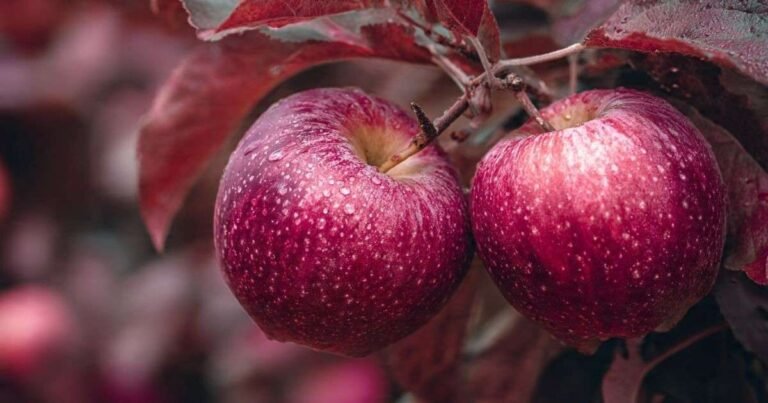
Answer: They contain a lot of air spaces. Why: Air in the fruit lowers its average density enough for it to float.
Kitchen & Cooking
Q25. What cooking method uses dry heat in an oven?
Answer: Baking. Why: Baking cooks food with hot air in an enclosed oven.
Q26. What cooking method uses hot oil or fat to cook food?
Answer: Frying. Why: Frying transfers heat through hot fat or oil.
Q27. What tool is commonly used to measure the internal temperature of cooked food?
Answer: A food thermometer. Why: Thermometers help verify whether food has reached a safe internal temperature.
Q28. What does it mean to ‘dice’ an ingredient?
Answer: Cut it into small cubes. Why: Dicing aims for roughly cube-shaped pieces.
Q29. What does it mean to ‘simmer’ a liquid?
Answer: Cook it just below a full boil. Why: A simmer has gentle bubbling rather than a vigorous rolling boil.
Q30. What kitchen process mixes fat and water-based liquids into a stable mixture, as in mayonnaise?
Answer: Emulsification. Why: An emulsion disperses droplets of one liquid through another.
Q31. What is caramelization?
Answer: The browning of sugars when heated. Why: Heat breaks down sugars and creates new flavors and colors.
Q32. What is the Maillard reaction?
Answer: A browning reaction between amino acids and reducing sugars. Why: It helps create complex flavors in foods such as toasted bread and seared meat.
Food Challenge Round
Q33. Which vitamin is especially associated with citrus fruits?
Answer: Vitamin C. Why: Citrus fruits are well-known sources of vitamin C.
Q34. What is the main protein in egg white?
Answer: Ovalbumin. Why: Ovalbumin is the most abundant protein in egg white.
Q35. What is the Japanese name for the savory taste often linked to glutamate?
Answer: Umami. Why: Umami is recognized as one of the basic tastes.
Q36. What kind of microorganism is baker’s yeast?
Answer: A fungus. Why: Baker’s yeast is a single-celled fungus.
Q37. What is the botanical name for a fruit with a core surrounded by fleshy tissue, such as an apple or pear?
Answer: A pome. Why: Apples and pears are classified as pomes.
Q38. What molecule gives table sugar its scientific name?
Answer: Sucrose. Why: Table sugar is primarily sucrose.
Q39. Which mineral is commonly added to table salt in many countries to help prevent deficiency?
Answer: Iodine. Why: Iodized salt contains iodine compounds.
Q40. What does pasteurization do?
Answer: It uses controlled heat to reduce harmful microorganisms. Why: Pasteurization improves food safety and shelf life without sterilizing the food completely.
Reliable Sources
Important facts were checked against established museum, government, university or official references:
- USDA FoodData Central
- U.S. Food and Drug Administration — Food Safety
- Harvard T.H. Chan School of Public Health — Nutrition Source
- University of California Agriculture and Natural Resources — Food education
FAQ
What age is this food trivia for? The wording and difficulty are aimed mainly at teens, with enough familiar foods for easy wins and enough science for a challenge.
Why include food science? Understanding fermentation, emulsions, browning and ingredients makes the quiz more useful than brand-only or fast-food trivia.