12 Axolotl Facts for Kids: Gills, Regrowth and Wild Habitat
Quick answer: An axolotl is an aquatic salamander from Mexico. Its feathery external gills and ability to regrow a limb make it unusual, but it is still a living animal with a vulnerable wild habitat—not an indestructible cartoon creature.
12 fascinating axolotl facts
1. An axolotl is a salamander, not a fish
The nickname “Mexican walking fish” is misleading. Axolotls are amphibians, in the salamander group.
2. Its scientific name is Ambystoma mexicanum
A scientific name helps separate this animal from other salamanders that may look similar.
3. Adults keep juvenile features
This pattern is called neoteny. An adult axolotl normally retains features that many other salamanders lose as they develop.
4. The feathery branches are external gills
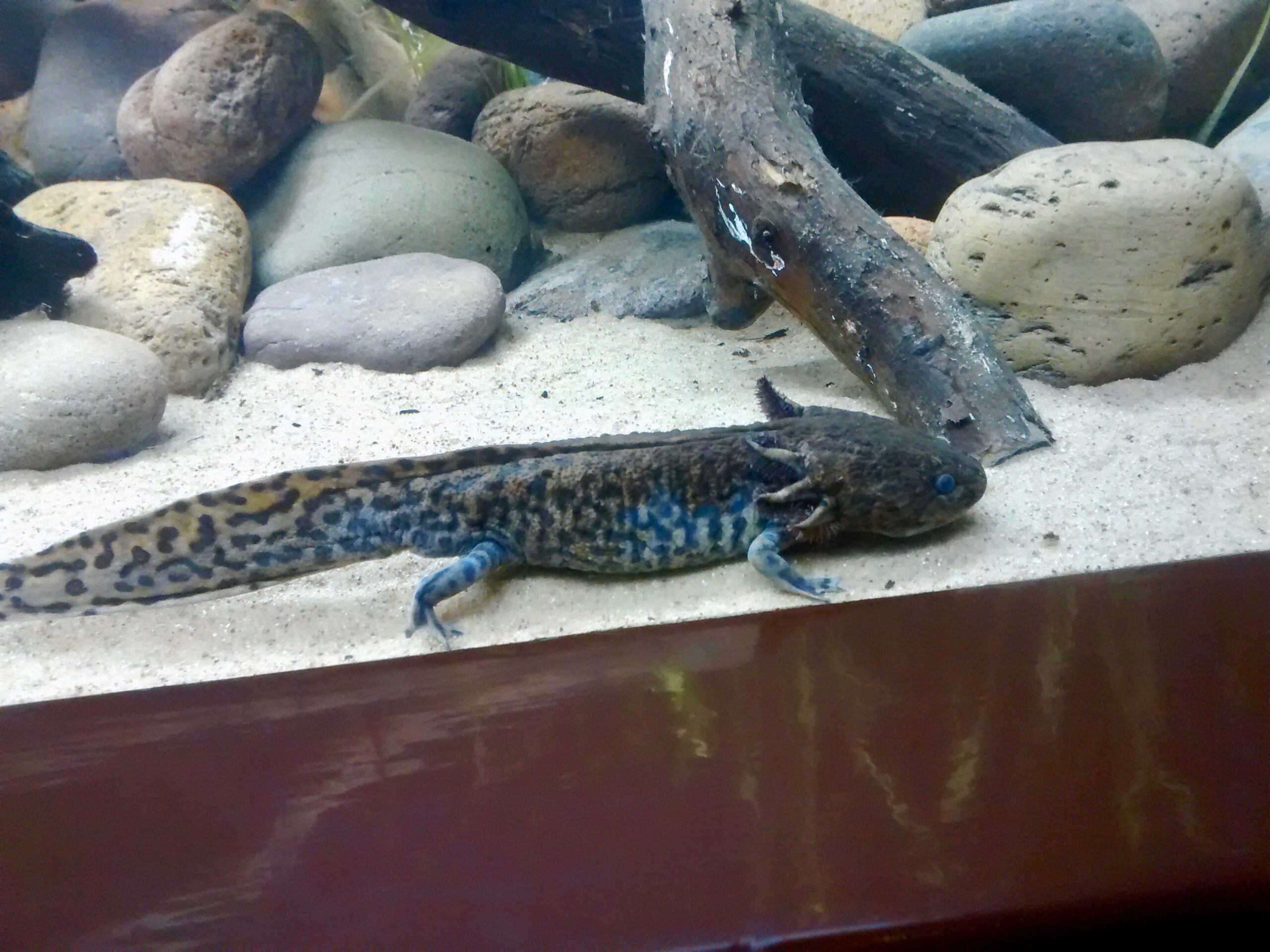
They sit outside the head and help the animal obtain oxygen underwater. They are not hair or decorative feathers.
5. It also develops lungs
Axolotls can use more than one route to obtain oxygen. Having lungs does not make them ordinary land-dwelling pets.
6. It spends its normal life in water
Unlike many familiar salamanders, the axolotl ordinarily remains aquatic into adulthood.
7. Wild axolotls are native to central Mexico
Their remaining habitat is associated with the Mexico City area, especially Xochimilco. A zoo tank is not their natural home.
8. Many wild animals are dark
The pale pink animals often seen in pictures are not the only color. Wild axolotls are generally darker than popular captive color forms.
9. It is a predator
Its foods include small aquatic animals such as worms and insect larvae. A cute appearance does not mean a plant-only diet.
10. It can regrow a lost limb
Scientists study its ability to replace complex tissues. Regeneration is not permission to injure an animal or test it at home.
11. Its eggs hatch into aquatic young
The young begin life in water. There is no long period of parental teaching after hatching.
12. Wild axolotls need habitat protection
Pollution, altered waterways and introduced fish threaten them. Popularity in captivity does not make the wild population safe.
Three myths to leave behind
“It is a fish.” No: it is a salamander. “Regrowth means it cannot be hurt.” No: injury still matters. “There are lots of pets, so wild axolotls must be fine.” No: animals bred in captivity do not replace a healthy natural habitat.
Try a mini quiz
Are axolotls fish or amphibians?
Show answer and explanation
Amphibians. They belong to the salamander group.
What are the branches beside the head?
Show answer and explanation
External gills. They help obtain oxygen underwater.
Does limb regeneration make it okay to injure an axolotl?
Show answer and explanation
No. Animal welfare does not change because an animal can regrow tissue.
A useful observation activity
Look at the photograph and draw three labels: head, external gills and tail. Describe only what you can actually see; do not infer the animal’s age, sex or health from a single photograph. If you see an axolotl at a zoo, follow the signs and keep hands out of the water.
Keep exploring
Try our animal fun facts for a broader comparison or animal trivia for kids for a second quiz.
Sources and review notes
Reviewed October 20, 2026. Quiz wording and explanations are written for this page; factual checks use the linked references.